How to Triumph on Lobuche Peak and Feel Truly Alive
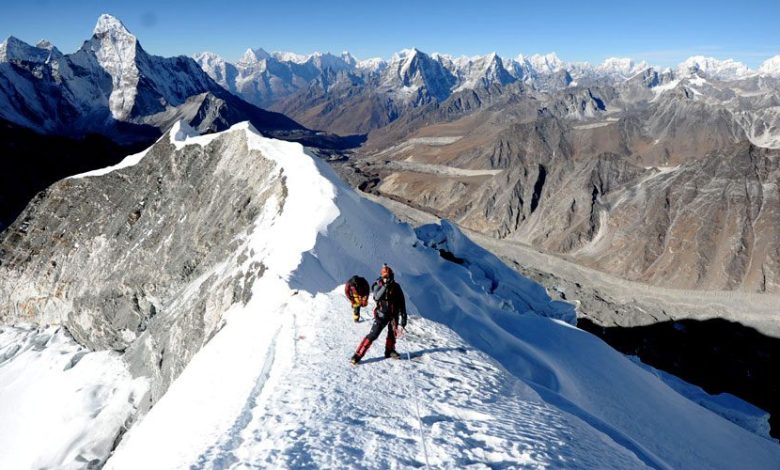
Lobuche Peak Climbing is not just about standing atop the 6,119-meter peak—it is as close to pure, adrenaline-fueled, raw, and truly ‘in your face’ Himalayan mountaineering experience as it gets. The ascent is a mix of physical strength, mental fortitude, and emotional awakening. In going to the summit of this technical trekking peak in Nepal, you are not just ascending a mountain; you are ascending inside yourself, finding power, determination, and a sense of being alive, which you may not have felt in a long, long time.
The first component to achieving success on Lobuche Peak is preparation. In physical terms, this climb requires strong legs, a strong heart, and a set of lungs that can handle the thin air. But more than strength of body, it requires strength of mind. You should be prepared for long days, weather shifts, and the frictions of high-altitude living. Start training months ahead based on endurance hikes, strength work, and cardio. They should also spend time reading about the route, studying the glacier and fixed-rope sections, and getting to know climbing gear. Anxiety becomes confidence with knowledge and preparation.
The real weapon on Lobuche is your mental resiliency. At altitude, the body is sluggish, and the mind wonders if you can keep going. That’s when victory is born—not in rest, but in the commitment to keep advancing. When the number of your steps slows to a heavy cadence and your breath is short, focus on the rhythm: one foot after the other. Divide the climb into sections. To toast to the tiny victories —Base Camp, High Camp, crampon point — as each move upward is a small, personal win.
Climbing Lobuche is also about learning humility and acceptance. The mountain is no joke. Things can go from great to terrible in minutes, and the ability to be adaptable, patient, and aware can be the difference between success and retreat. Your guides are there for a reason, and being able to listen to them and trust in their knowledge is going to be key. They aren’t pulling you up a mountain but rather helping you stay safe, grounded, and focused. Their motivation through difficult sections, particularly on summit day along icy ridgelines and steep snow slopes, is a lifeline.
Next is the summit push — pre-dawn, in the cold, the only light coming from headlamps and the stars. It is at this moment, through each labored breath and each cutting step into snow and ice, that you feel the most alive. As the sun rises and you finally climb to the top, some emotion wells up inside you. Joy, exhaustion, pride, awe; it all gets muddled. You’re standing above the clouds, a stretch of Everest, Nuptse, and Lhotse apparent before you, and all of a sudden, it makes sense. You’re not just on top of Lobuche — you’re on top of your fears, on top of your doubts, on top of your limitations.
You don’t win on Lobuche Peak just by summiting.” It doesn’t matter how high you go; it matters how much you let the altitude change you. It cuts through the clutter of everyday life to remind you of what matters, presence and courage, and the fire to be alive and present. For this is why we climb — to remind ourselves of how strong and how free the human spirit is.
Seeing the End: The Psychological Preparation for Lobuche Peak
Psyching yourself out is the key to success on Lobuche Peak Climbing Cost. ‘The goodaman’ As one of Nepal’s more sexy trekking peaks (oh la la… after seeing dozens of pimply mountains I kid you not) it’s enough to test not just physical ability but the fortitude of the mind. Mental visualization allows climbers to rehearse their ascent ahead of time. Simply, you close your eyes and paint a picture of the trail, the base camp, the snowfields, and then the summit, and then your mind is ready to cope with the physical demands and environments that await. This mental rehearsal isn’t only about visualizing yourself at the summit — it’s about living through each step of the journey in your mind so that when you do find yourself there, the ascent doesn’t feel outside your comfort zone.
You can envision working through periods of bonk, acclimating to high-altitude breathing, or managing icy ridgetops with reserve and focus. This serves as a way of taking control over a potentially unpredictable environment. Speaking to yourself, “’ I am strong’ or ‘every step is taking me closer’ from visualization builds internal confidence. Mentally, preparation is also about coming to terms with solitary existence in silence and the monotonous cadence of high-altitude trekking. As the trail gets tough, these mental tools are armor.
When you get to the base of the peak, your body might overtly feel the altitude, but your mind will have already gotten used to the idea of success. And here is the secret power of visualization—it transforms from a mountain we can’t seem to climb to a familiar path that believes in our determination. On Lobuche Peak, mental clarity is often as crucial as physical endurance.
Hugging the Fear and Making It a Power Source
Fear is an omnipresent companion on high-altitude treks like Lobuche Peak, but rather than the fear being something to be avoided, great climbers learn to embrace it. Fear is a signal of awareness — it tells you about the dangers, the height, the exposure, and how your technique is likely to be tested. But it needn’t be paralyzing. When fear is recognized and recognized it can be used as power and awareness that can propel you forward, not keep you down.
To accept fear is to accept that you care about climbing. It speaks to the gravity of the challenge and the importance of the summit. Convert fear, not by fighting it, but by focusing on it. Up on Lobuche’s bare, icy ridges or in those moments when exhaustion begins to take the upper hand at high altitude, fear can be a tool that sharpens your perceptions, leading you to park your ego and make wiser decisions, to focus all of your being into this one step, one step at a time.
Plenty of climbers use breathing exercises or grounding techniques to orient themselves back to center when a surge of fear starts to grip. Others use mantras or remind themselves mentally of why they started in the first place. The trick is not to let fear spiral into panic. “If you are concerned, talk to your guide, discuss openly, and have faith in your training. Courage is not the lack of fear but proceeding despite it.
Fear is your companion when darkness overtakes you on summit day and your headlamp barely illuminates the next step. But it won’t halt you — because you have already transformed it into momentum. Lobuche Peak isn’t about being fearless, it is about having the courage to keep climbing with fear in your heart but victory in your mind.
Laying the Groundwork for High Altitude Success through Physical Strength
Lobuche East Peak Climbing demands more than the ordinary exertion at high altitude. The mountain climbs to more than 6,000 meters, an inhospitable world where there is little oxygen, the weather is unpredictable , and the terrain is harsh. Physical preparation ahead of time is important not only in making the ascent manageable but also in avoiding tired mistakes at crucial moments.
Begin training months in advance with a combination of cardio exercises, endurance hikes, and strength training. Stair climbs, hill runs, and long hikes while wearing a weighted backpack mimic the type of stamina needed for high-altitude days. You will be hiking 6–8 hours a day through very steep and rocky terrain. Focusing on strengthening your core, legs, and back is especially critical, as these muscle groups bear the brunt of the load, whether you are climbing an ice slope or lugging your pack through snow.
There’s also no getting around the need for flexibility and balance training. A limber, well-balanced body is a great defense against injury, particularly on uneven and challenging terrain. Add some yoga or mobility drills to stay loose.
Acclimatization to altitude is equally important. Acute Mountain Sickness (AMS) can strike even the fittest of trekkers, but spending time at altitude before the trek, keeping well-hydrated, and listening to your body can keep the symptoms at bay.
The muscle on Lobuche Peak is not only sheer power, it’s also about stamina, economy, and poise. When you’re body is ready, and you push through psychological barriers. The more muscle you have, the fitter you’ll feel for the push to the top, and the happier you’ll be, safe and sound, at the bottom.
Getting Your Gear Right: Kit for Lobuche
The ascent of Lobuche Peak calls for adequate gear, not only to ensure one’s safety but also for comfort and optimum performance in high altitudes. Climbing at more than 6,000 meters presents the challenges of subzero temperatures, wind, snow, technical terrain, and the right gear can make the difference between a bid that reaches the summit and one that’s turned back.
Start with your base layers. “It will regulate your body heat and wick away sweat from your skin, keeping you both feeling dry and from getting hypothermia,” Dr. Vincent says. The insulating mid-layers, such as fleece or down jackets, are crucial, while your outer layer should be a waterproof, windproof shell that can withstand snowstorms and biting alpine winds. Do not scrimp on gloves — bring light inner gloves, and heavily insulated mittens for summit day.
Footwear is equally crucial. You’ll also need to bring some warm, insulated mountaineering boots that are compatible with crampons. You will need comfortable trekking boots that you have broken in for the early trails. You will need good-quality crampons, an ice axe, and a harness for the glacier crossing and summit push. Protection for rockfall or ice chunks is recommended, as well as a helmet.
Also pack a well-fitting backpack, UV-protective sunglasses, high-SPF sunscreen , and a headlamp with extra batteries for early-morning ascents. Don’t forget about hydration systems, energy bars, and altitude medication.
Lobuche Peak Climbing In Nepal. Many items can be rented in Kathmandu or Namche Bazaar, but it’s worth making an investment in your personal gear — boots, jackets, and gloves are all items you want to fit you well and feel comfortable, never mind issues around cleanliness and hygiene! When your kit fits properly, the climb is never uncomfortable.
Confidence in Technical Knowledge and Application
Lobuche Peak isn’t just a trekking peak, it’s a semi-technical climb that requires a lot of confidence and skill on ice and steep terrain. It is widely known as a trekking peak, but its final ascent contains a fair amount of glacier travel, fixed ropes, crampons, and ice-ax work. Preparation is significantly important if you hope to traverse it confidently.
Climbers need to have a good knowledge of using equipment for Lobuche. That includes mastering how to wear crampons, use an ice axe to gain balance or self-arrest, and move efficiently clipped into a fixed rope. Some guided expeditions provide short training sessions at the base camp, although showing up with prior experience boosts both safety and confidence.
Pacing is crucial. On the glacier and below the summit ridge, slower due to altitude and steep terrain. The calm and focused mind thinks clearly and makes better decisions. Concentrate on your footing, trust in your gear, and follow your guide’s rope directions to a T. On summit day, the fatigue and the cold are hard to believe. Confidence isn’t about speeding up; it’s about slowing down, staying in control, breathing calmly, and moving forward with purpose.
Begin to get used to the idea in your mind that you will be exposing yourself. The final ridge may look daunting, with sheer drops on either hand, but the route is firm and safe. Have faith in your gear and training. Risk becomes reward when physical readiness is paired with technical skill. Every time you achieve a little progress, you draw closer not just to the summit but to the conviction that you are born and bred among the high mountains, with the strength to confront any obstacle they throw in your way.
Acclimating to Altitude and Keeping Mentally Sharp
High altitude can be as much a mental endeavor as a physical one. For those of you climbing Lobuche Peak, oxygen levels diminish greatly as you get higher, and command fatigue, headaches, dizziness, and potentially altitude sickness. But what may be even more subtle — and more perilous — is how altitude can obscure mental clarity. Remaining mentally sharp is crucial to making safe decisions, climbing steadily and with confidence.
The key to dealing effectively with it is to be acclimated. Climbers should ascend slowly, taking carefully timed rest days to help the body adjust. Good hydration, consumption of healthy food, and abstaining from alcohol or sleeping pills also help keep the brain on track. At high altitudes, simple decisions can seem complicated, and reaction time can be delayed. Hence the need for climbers to stick with routine — regularly checking our gear, rehearsing safety, and chatting with team members.
Climbing Lobuche Peak. There are some strong magic tricks when it comes to mental exercises, like breathing techniques and mindfulness practices. Controlled breathing doesn’t just calm nerves; it also increases oxygen flow. Visualization and meditation help ground the mind and can decrease anxiety. Writing in a journal during the trek can also help to process experiences and stay emotionally well.
“It’s about regular check-ins with guides or teammates — how do you feel, physically and mentally?” he said. Early detection of high-altitude illnesses leads to better outcomes. To stave off mental decline at altitude, it’s a matter of proactive care and self-awareness. By respecting the elements and your body, you protect your health, you also guarantee your mind stays your most powerful friend on the mountain.
Trusting Your Crew and Building Climbing Relationships
Trust is a cornerstone of survival and success on Lobuche Peak. You are in an unforgiving high-altitude environment, and you trust and rely on your climbing team, not just for safety and protection, but for emotional support, mutual strength. You can’t just go and you have the total trust; it doesn’t work like that, that comes from communication, working together, and respecting.
Each team member is significant from the very start. Guides take charge with their experience and decisiveness. SHERPAS carry the heavy loads, so climbers do not have to. Fellow trekkers encourage when the body begins to weaken or the path to the peak is not clear. But as the dots between them are something more than logistical, they comprise a web of an interdependent, amicable fraternity.
Believing in your team means welcoming instruction, following safety guidelines without second-guessing, and communicating about your physical and mental well-being. If somebody is going through a rough time, they rally around them. In the event of foul weather, decisions are made collectively. What’s evident in these moments is the power of the collective. Bonds are forged as much by shared physical deprivations, by blistered feet, sleepless nights, subfreezing winds, as by the thrill of victory.
Small things at altitude pack enormous weight: giving away a snack, cinching up a teammate’s harness, speaking a quiet word of encouragement. As you rise, ego falls and interdependence grows. The summit may be a solo experience, but no one gets there on their own. The bond formed upon finishing Lobuche Peak is a lesson for life in humility, leadership, and friendship. Hi, I’m Cade, I’m with Team Paragon, and when I’m not climbing, I’m working to end the stigma and discrimination associated with mental illness.”A new friend, perhaps, who becomes part superhuman as he perches near the moon, in the rarefied air above 6,000 meters, where it’s not just the mountain you conquer but the gulf between human hearts.
When the Weather Gets Tough, and You Are Tired
The weather on Lobuche Peak Climb can change rapidly from clear skies to savage snowstorms or intense wind. Just add to that the fatigue that comes with altitude and days of relentless trekking, and you have a test of stamina few people are ever subjected to. Remaining resistant to the battering of weather and the deep lethargy of fatigue requires a combination of mental discipline and physical awareness.
The key is preparation. High-quality gear — layered clothing, waterproof shells, thermal gloves, insulated boots — is your first line of defense against the elements. But a breastplate is not the only thing that builds resilience. It’s your attitude that allows you to keep going even when it’s 12 degrees out and your muscles are swearing they’re done for the day. Traveling in rough conditions is as much a matter of determination as of strength.
Pace yourself. Fatigue accumulates quickly at altitude, particularly when dealing with wind, snow, or freezing rain. Follow your body’s needs, stop frequently to hydrate, and snack on high-calorie foods. On difficult stretches, divide the effort into smaller tasks: get to the next turn in the trail, reach the next ridgeline. Namanda says having short-term wins is a good way to keep momentum going.
Mental health resilience is frequently rooted in purpose. Remember why you decided to take this path. Imagine loved ones cheering you on from far away. Use affirmations: “I can do this,” “This too shall pass,” “The mountain top is near.” Keep in touch with your team with motivational and warm feelings.
In the face of nature’s extremes, resilience is not to be unbreakable. It’s really about being flexible and fearless, and determined. It is from such moments of leaning into the discomfort that you eventually emerge not only as a climber but as a profoundly changed human being.
Getting There: The Emotional Peak of Success
To stand atop Lobuche Peak is not just a physical achievement; it’s also an emotional pinnacle, the fulfillment of something that you have endured: the cold, the altitude, the exhaustion, the fear. It’s a moment where time seems to stand still, where the Himalayas open up before you and gaze in silent awe, and you know you’ve arrived. You are on top of the world.
The emotional high of reaching the top is hard to put into words but impossible to forget. Some climbers weep, others go silent. Many simply laugh in joy or hold their arms in disbelief. It is the exhale, the release of a taut muscle, and of days replete with effortful accommodation. And from here you came for that other thing — not just the view, but the shift, the one inside yourself. The summit is a manifestation of breaking boundaries you did not think were possible.
As a result, though at more than 6,000 meters up, the air is thin, the feeling is full. You remember the pain of every step, the bite of every icy wind, how many times you almost stopped. That recollection makes the triumphs that much sweeter. You’re surrounded by giants — Everest, Lhotse, Nuptse — and all around you feel tiny, but at the same time incredibly strong.
Lobuche Peak Climbing Via EBC The summit experience also imparts a dose of humility. The climb wasn’t conquered; it was earned, together with your team, your guides, and the mountain itself. It’s a shared victory.
As you take the plunge, one thing is clear: Nothing’s ever going to be the same again. You reached for the sky and found something deeper in yourself. That emotional high is the real gift of the summit — a lifelong reminder of what is possible when heart and will come into alignment.
Bringing the Power of the Peak with You Long after the Descent
Just because you’re coming down from Lobuche Peak doesn’t mean you leave the experience behind. The true magic of the summit lives on long after you have come back to the lower ground. All the lessons, feelings, and breakthroughs you experienced at altitude never leave you, they inform all who you become. Holding the power of the peak is about holding the transformation that was experienced in the mountain.
In daily life, the mountain is a touchstone — a fortifying touchstone when times are tough. You recall the feel of pushing on when every part of your body was screaming to stop. “You remember the cold, the frightened moments, the predictions of how it would all work out. That memory becomes armor. Whether it’s professional pressure or personal crisis, you’ve demonstrated to yourself that you have extraordinary bounce-back power.
Lobuche offers a master class in gratitude, too. Simple things become different to you: warm beds, good food, clean air. Life’s noise gets turned down, and you get more intentional. The friendships made on the trail deepen, forged as they were under real strain as well as shared purpose.
A lot of climbers journal or meditate regularly to help keep that sense of perspective alive. Some push new limits, knowing that limits are a lot more flexible than they used to think. You trust your inner voice a little more, because it took you up that mountain.
Taking the power of that peak with you isn’t about rehearsing the climb every day — it’s about embodying the lessons of that colossal ascent. You are not the same person anymore. You stood above the clouds. Never lose sight of that clarity and courage.
How to Prepare for the Lobuche Peak?
Training for Lobuche Peak (6,119m): How to Get Fit. Most people who successfully climb to the summit of Lobuche Peak are training with some specificity.
- Getting Into Physical Shape (3–6 months before climb):
Cardio Long trails runs, hikes, bike rides, and stair climbs to build endurance. Aim for 5 days/week.
Resistance Training: Emphasize legs (squats, lunges), core (planks, crunches) , and the upper body (pull-ups, shoulder presses) to manage pack-weight carrying and technical climbing.
Walk with a Pack: Get your 10–15 kg day pack on and practice walking in it.
- Altitude Acclimatization:
Sketch out trips like Everest Base Camp or Gokyo Lakes in advance. These treks also make excellent acclimatization treks for Lobuche.
- Technical Skills (1–2 months in advance):
Get comfortable with crampons, an ice axe, fixed ropes, and jumar ascenders.
Perhaps take a mountaineering course or a technical skills course with a guide/organization.
- Mental Preparation:
Stay mentally resilient. High-altitude climbs are trials of concentration, endurance, and stress management.
How difficult is it to summit Lobuche Peak?
Level of Difficulty: Moderate to Difficult
Lobuche Peak Climbing With Everest Base Camp Trek Altitude: You are 6,119m above sea level, and altitude sickness is a serious threat.
Technical Competence: For Lobuche East, we encounter steep snow slopes (up to like 45–50°) and make rope ascents, and even make ladder crossings.
Summit Push: If you fancy the summit, it’s done from midnight, so 8-10 hours return. The last part must be tackled using fixed ropes and a jumar.
Although the NMA categorizes it as a Trekking Peak, Mera Peak is among the more technically challenging of such peaks.
What is more difficult, Lobuche or Island Peak?
Island Peak (6,189m) is typically a little harder than Lobuche Peak, with both being tough.
Feature Lobuche Peak Island Peak Height 6,119 m 6,189 m Technicality Steep snow & fixed ropes Glacier travel, ladder & crevasse crossings Summit Ridge Exposed but shorter Longer and more exposed Overall Difficulty Moderate to Hard Moderate to Hard (a little higher)
Conclusion: Island Peak has more glacier travel and crevasse dangers, and is slightly more technical, particularly for a novice.
What is the easiest mountain to climb in Nepal?
The following are the easiest of the trekking peaks in Nepal (in both technical difficulty and altitude):
Mera Peak – 6,476m – Highest trekking peak, non-technical, and with easy ascent. The approach involves a long climb, and acclimatization is important.
Yala Peak (5,520m) – established in Langtang. Ideal for beginners. No glacier crossings.
Pisang Peak (6,091m) – Also technically easier than Lobuche, but steeper on top.
Chulu Far East (6,059m)– A Technical virgin peak and quieter than the others.
Easiest Option: Yala Peak is often touted as the easiest, most beginner-friendly peak in the region since it doesn’t require much technical climbing and offers a lower risk of altitude sickness.