Do smart glasses exist?
Smart glasses feel like something that should have arrived by now. For years, the idea of lightweight eyewear that blends the digital and physical worlds has been part of tech conversations and science fiction. Yet many people still ask the same question: do smart glasses actually exist, and if so, what can they do?
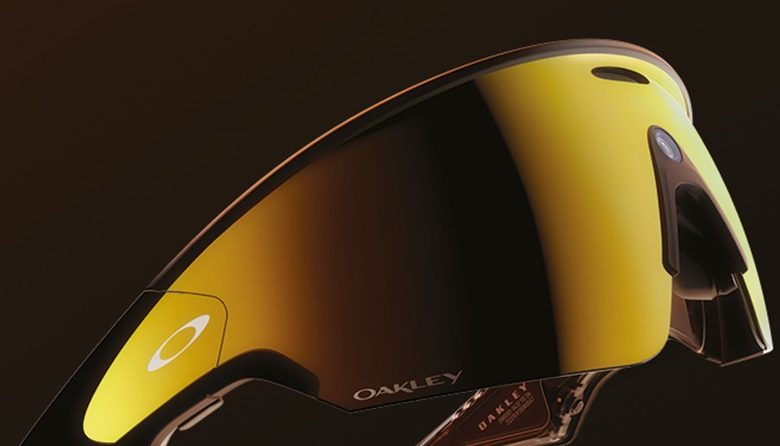
The short answer is yes, but the long answer is much more interesting. Smart glasses are real, but the versions available today vary widely in purpose, capability and everyday usefulness. Some focus on fitness, some on hands-free communication and some on immersive experiences. Others, such as the Oakley META sunglasses, bring a more lifestyle-driven angle by offering modern features without losing the feeling of wearing normal eyewear. To understand how we got here and what smart glasses truly offer, it helps to look at the current landscape.
The many forms of smart glasses
Smart glasses are not one single category. Instead, they sit on a spectrum that ranges from subtle enhancements to full augmented reality headsets. At the simplest end, you will find audio glasses. These look like ordinary sunglasses but include tiny speakers directed towards your ears. They allow you to listen to music or take calls without blocking out surrounding sound. For commuters, cyclists and walkers, this approach solves a familiar dilemma: staying connected without compromising awareness.
At the next level are glasses that incorporate cameras, microphones and touch controls. These models allow you to capture short videos, use voice commands or receive notifications. The most notable examples often come from large tech companies experimenting with wearable computing. While the early generations were bulky and often attracted attention, newer models are becoming more discreet, partly because the industry has realised that smart glasses must fit into daily life rather than disrupt it.
Moving further along the spectrum brings us to glasses built for specialist tasks. Industrial and medical settings use advanced augmented reality eyewear to overlay instructions or digital data directly into the wearer’s field of view. These devices are powerful but not designed for general consumers. Their price, size and purpose place them into a separate category entirely.
The main takeaway is that yes, smart glasses exist, but their capabilities differ dramatically depending on the intended use. What once felt experimental now appears in several practical forms.
How everyday smart glasses fit into modern life
For most people, the appeal of smart glasses lies in convenience. Rather than being a dramatic leap into a digital future, consumer models focus on making small, useful improvements to ordinary activities. Audio features, hands-free control and subtle connectivity enhance experiences without requiring the wearer to learn new skills or change habits.
Design plays a significant role here. Smart glasses that resemble normal sunglasses are far more appealing because they do not draw attention or feel like gadgets. The Oakley META sunglasses are a good example of this shift towards familiarity. They incorporate intelligent features while retaining the sporty, performance-driven look associated with the brand. This approach shows how the industry has matured, blending technology with established eyewear design rather than forcing high-tech aesthetics on consumers.
For athletes and outdoor enthusiasts, smart glasses can offer more freedom. Listening to music on a run without earbuds, taking calls on a bike ride or controlling playback with subtle gestures can make the experience smoother and safer. For travellers, the ability to hear navigation prompts without staring at a screen creates a more relaxing journey. For everyday wear, smart glasses offer a hands-free extension of the devices we already use.
Importantly, most consumer-focused smart glasses do not aim to replace smartphones. Instead, they act as companions, delivering selective and streamlined functions that work well on the move. This more modest ambition has helped the category find stability after years of ambitious but impractical designs.
Why we are seeing renewed interest in smart eyewear
Interest in smart glasses is growing again, but for different reasons than before. Rather than pursuing futuristic overlays or complex interactions, companies are concentrating on subtle enhancements, fashionable designs and reliable performance. People no longer want wearable technology that feels experimental. They want something that slots into their lifestyle, looks good and actually solves small everyday problems.
Battery life is improving, frames are becoming lighter and audio quality has reached a point where listening feels natural. Voice assistants continue to advance, making hands-free control more useful. Combined, these improvements make smart glasses more appealing to a wider audience.
Cultural attitudes have shifted too. When early camera-equipped glasses appeared, privacy concerns dominated public opinion. While privacy remains important, modern designs tend to be more transparent about when recording is active. Many models focus on audio features rather than cameras, removing some of the original hesitations.
Even fashion is playing a part. Collaborations between technology companies and established eyewear brands help reduce the sense of novelty. When familiar names like Oakley produce connected frames, the idea becomes more accessible. The Oakley META sunglasses illustrate this blend of performance eyewear and discreet smart features, making the concept feel far more mainstream than it did a decade ago.
Smart glasses certainly exist, but their purpose today is far more practical and grounded than the futuristic visions that once defined them. They are designed to enhance, not overwhelm. By focusing on comfort, design and small but meaningful features, the latest generation shows how wearable technology can evolve quietly and effectively. As the category continues to mature, smart glasses may become as common as wireless earbuds, offering everyday convenience in a form people already enjoy wearing.