Yoga Retreats in Southeast Asia: Why Singapore Serves as the Strategic Base for Serious Practitioners
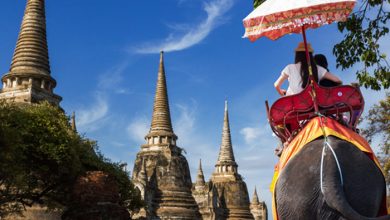
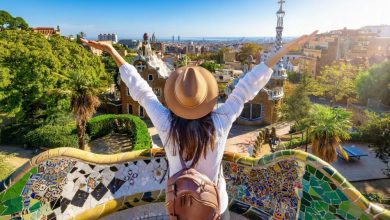
Southeast Asia is one of the world’s most vibrant regions for yoga retreats. Bali alone hosts hundreds of retreat centres, from simple guesthouses offering morning classes to luxury wellness resorts with multi-week immersive programmes. Thailand’s retreat scene, concentrated in Koh Samui, Koh Phangan, and Chiang Mai, draws practitioners from across the globe. Vietnam, Cambodia, and the Malaysian highlands have all developed retreat offerings that range from deeply traditional to lavishly contemporary. For the serious yoga practitioner based in or travelling through this part of the world, the options are genuinely extraordinary.
Against this backdrop, the role of yoga Singapore as a base for Southeast Asian retreat exploration might not be immediately obvious. Singapore is not a retreat destination in the conventional sense. It has no rice paddies, no jungle lodges, no beachfront shalas. What it has is infrastructure, quality, consistency, and connectivity that make it the most strategically valuable home base for a practitioner who wants to explore the wider Southeast Asian retreat landscape with intelligence and efficiency.
The Connectivity Advantage
Singapore’s Changi Airport is consistently rated among the best in the world, and its route network across Southeast Asia is unmatched. From Singapore, Bali is a two-and-a-half-hour flight. Chiang Mai is two hours and forty minutes. Koh Samui, the Cameron Highlands, and the yoga communities of East Java are all within three hours. The accessibility of the region’s major retreat destinations from Singapore is simply better than from any other regional hub.
For a practitioner planning a retreat-centred travel year, this means that Singapore as a base allows access to the full range of Southeast Asian retreat experiences without the need to relocate or plan complex multi-leg journeys. A long weekend retreat in Bali, a week-long immersive in Chiang Mai, and a three-day highland retreat in Malaysia are all logistically manageable from a Singapore base in ways they would not be from Tokyo, Seoul, or Sydney.
The visa-free or visa-on-arrival access that Singapore passport holders enjoy across the region adds further practical convenience, removing the administrative friction that can complicate retreat planning for travellers from other nationalities.
Singapore as a Preparation and Recovery Hub
The serious retreat participant understands that the value of a retreat is not contained within its dates. Preparation before and integration after are equally important, and the quality of both depends heavily on the environment in which they occur.
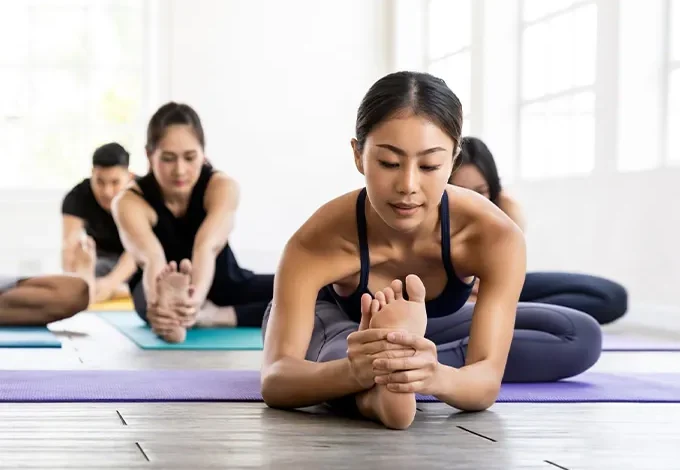
Pre-retreat preparation in Singapore means access to a mature, high-quality urban yoga scene that allows practitioners to arrive at a retreat already in genuine practice rather than attempting to establish or re-establish a practice in the retreat environment itself. The practitioner who has been practising consistently at a quality Singapore studio in the weeks before a retreat will have a qualitatively different retreat experience than one who has been away from practice and hopes the retreat itself will provide the required restart.
Post-retreat integration is equally critical and even more commonly neglected. The insights, physiological changes, and practice deepening that a well-facilitated retreat produces are genuinely valuable, but they are fragile. Without a supportive practice environment to return to, the benefits of retreat dissipate rapidly. Singapore’s studio infrastructure provides precisely that environment: quality instruction, consistent community, and the kind of regular practice rhythm that allows retreat insights to become durable changes rather than temporary experiences.
The practitioners who extract the greatest long-term value from retreat participation are those who treat each retreat as a phase in an ongoing practice journey rather than a standalone event. Singapore’s quality as a home base studio environment is inseparable from this longitudinal approach to retreat.
The Role of Singapore Teachers in the Regional Retreat Ecosystem
Singapore’s yoga teaching community has developed a significant presence in the regional retreat market, both as facilitators of their own retreat programmes and as invited teachers at retreat centres across the region. This has created an interesting dynamic in which Singapore’s urban studio scene and the regional retreat landscape are not separate markets but interconnected parts of a single ecosystem.
For Singapore-based practitioners, this means that the teachers they practise with in their local studios are often the same teachers facilitating regional retreats. The relationship between teacher and student that develops through consistent urban studio practice carries directly into the retreat context, producing a depth of experience that is unavailable to retreat participants who arrive without an existing relationship with the facilitating teacher.
This connection also means that Singapore studio communities often travel to regional retreats together, reinforcing the community bonds that make urban studio practice so valuable and creating shared experiences that sustain relationships long after the retreat itself.
Selecting Retreats from a Singapore Perspective
For the Singapore-based practitioner building a retreat calendar, several considerations are worth prioritising beyond the obvious factors of location, price, and programme content.
The teaching calibre and lineage of the retreat facilitators matters more than the physical beauty of the venue, which is easy to be seduced by in Southeast Asia’s photogenic retreat landscape. A genuinely skilled and experienced teacher in a simple setting will produce a more valuable retreat experience than a mediocre one in a luxury resort.
Retreat duration and intensity need to match your practice level and current life context. A five-day silent retreat is not the right choice for a practitioner returning to practice after a long gap, regardless of how appealing the destination is. A weekend introductory retreat is unlikely to produce the depth of experience that a serious practitioner is seeking, regardless of how convenient the timing.
The community of fellow retreat participants is a genuinely significant factor in retreat quality. Retreats that draw practitioners with serious existing practices, which tends to correlate with higher price points and more rigorous programme descriptions, produce a different collective energy than those aimed primarily at beginners or wellness tourists.
Studios like Yoga Edition often facilitate or partner with regional retreats, offering their practitioner communities access to curated retreat experiences with teachers they already know and trust. This is typically the most reliable route to retreat quality for Singapore-based practitioners who want to navigate the overwhelming abundance of regional retreat options with discernment rather than guesswork.
Singapore will never be a retreat destination. It is something arguably more useful: the ideal launch pad for a thoughtful, well-prepared, and consistently supported exploration of one of the world’s richest retreat landscapes.