The Evolution and Influence of the Automotive Industry
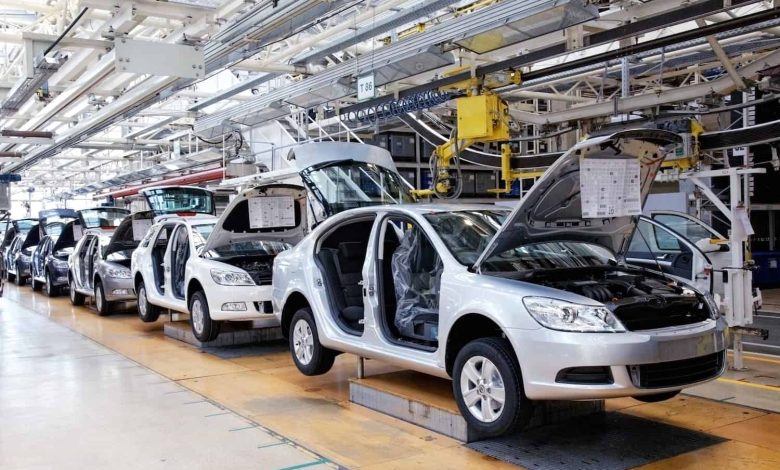
The Automotive world shapes modern life in ways few other industries can match. From personal mobility to global trade, the industry influences how people commute, how cities expand, and how technology evolves. In daily conversations, the term Automotive often reflects innovation, engineering breakthroughs, and the future of transportation. People depend on automotive systems not only for convenience but also for economic stability, job creation, and sustainable development. Understanding how this sector works and where it is headed provides valuable insight into global trends that impact everyday living.
Over the past century, the automotive field has transformed from simple mechanical machines to highly advanced technology driven systems. Modern vehicles incorporate smart sensors, energy efficient powertrains, adaptive safety features, and integrated digital applications that support driver comfort and road safety. As the world continues to prioritize cleaner energy, smarter cities, and efficient travel, the role of automotive technology becomes even more crucial.
How Technology Continues to Redefine Automotive Standards
Innovation drives the automotive industry forward, creating new expectations for performance, safety, and environmental responsibility. Each technological advancement changes how consumers interact with vehicles and how manufacturers design future models.
Advanced driver assistance systems
Driver assistance systems have become essential features rather than premium upgrades. These systems rely on sensors, cameras, radar, and intelligent software to support drivers in challenging conditions. Key components include:
- Adaptive cruise control that adjusts speed automatically
- Lane keeping support that corrects drifting
- Automatic emergency braking that reduces collision risks
- Blind spot monitoring to improve situational awareness
- Parking assistance for navigating tight spaces
These systems improve driver confidence and reduce human error, contributing to safer road environments.
Improved powertrain engineering
Automotive engineers continuously refine powertrain systems to enhance efficiency and reduce emissions. Innovations include:
- Turbocharged engines with improved airflow
- Lighter materials that reduce overall vehicle weight
- Advanced transmissions with smoother gear ratios
- Hybrid technology that blends fuel and electric systems
- Energy recovery systems that reuse power generated during movement
These technologies help drivers achieve better fuel economy while maintaining performance.
Digital integration and smart connectivity
Modern vehicles function as rolling digital hubs. Connectivity features support navigation, maintenance, and entertainment. Common capabilities include:
- Real time traffic updates
- Cloud based navigation tools
- Wireless integration with smartphones
- Vehicle health monitoring
- Remote lock and start systems
- Voice controlled features for hands free operation
Digital integration transforms driving from a simple task into an interactive and informed experience.
The Shift Toward Sustainable Automotive Solutions
Sustainability stands at the core of modern automotive development. Environmental responsibility influences every stage of the design process, from material selection to fuel efficiency and long term maintenance.
Cleaner materials and eco friendly design
Manufacturers prioritize sustainable practices by using:
- Recycled plastics in interior panels
- Eco friendly fabrics and insulation materials
- Lightweight metals that reduce emissions
- Natural fiber composites for durability
- Water based paints with lower chemical emissions
These choices create safer, cleaner vehicles with reduced environmental impact.
Alternative fuel options
The industry explores various fuel solutions that support cleaner transportation. Each option offers unique advantages and challenges.
- Electric power provides zero tailpipe emissions and lower noise levels
- Hydrogen power supports quicker refueling and strong energy density
- Biofuels reduce dependence on traditional petroleum
- Hybrid systems combine the convenience of gasoline with electric efficiency
These alternatives diversify energy sources and reduce pollution across transportation networks.
Energy efficient urban mobility
Cities around the world emphasize efficient transportation to reduce congestion and emissions. Automotive solutions support this through:
- Compact city friendly models
- Shared mobility programs
- Micro mobility vehicles such as scooters and compact electric mini cars
- Autonomous shuttle concepts designed for public transit
These innovations help cities expand responsibly while improving daily travel for residents.
Automotive Engineering and the Science Behind Safe Mobility
Engineering excellence ensures that automotive systems protect passengers and maintain reliability. Safety and performance rely on rigorous design, testing, and material analysis.
Structural integrity and crash engineering
Vehicle frames must protect occupants during collisions. Engineers use:
- High strength steel and reinforced frames
- Crumple zones that absorb impact
- Collision sensors that activate instantly
- Sophisticated airbag deployment systems
- Computer simulations that test thousands of impact scenarios
These elements work together to provide stability and safety under extreme conditions.
Aerodynamics and performance optimization
Aerodynamics affect fuel consumption, speed, and overall efficiency. Engineers consider:
- Shape and slope of the body
- Placement of mirrors and vents
- Reduction of drag through streamlined surfaces
- Flow of air beneath the chassis
- Stability at high speeds through controlled airflow
Improved aerodynamics reduce fuel consumption and enhance vehicle performance.
Thermal management systems
Proper temperature regulation ensures engine longevity and passenger comfort. Automotive thermal systems involve:
- Cooling circuits that prevent overheating
- Cabin climate control systems
- Battery temperature stabilization for electric vehicles
- Heat exchangers that regulate airflow
- Thermal sensors for continuous monitoring
These systems protect delicate components and maintain a stable driving environment.
Economic and Social Influence of the Automotive Industry
The automotive sector contributes significantly to economic growth and daily life across the world. Its influence reaches far beyond individual transportation.
Job creation and skill development
Automotive production requires diverse skill sets, creating opportunities across:
- Engineering and design
- Manufacturing and assembly
- Logistics and supply chain operations
- Maintenance, repair, and service
- Research and development
- Marketing and sales
These roles support millions of workers and encourage ongoing skill development.
Infrastructure expansion
Automotive travel encourages investment in:
- Road networks
- Bridges and tunnels
- Public charging stations
- Traffic management systems
- Parking and commercial facilities
Communities grow around transportation accessibility, shaping long term development.
Cultural impact
Cars symbolize independence, identity, and lifestyle choices. Automotive culture influences:
- Personal expression through vehicle customization
- Social gatherings including shows and events
- Road trip traditions
- Motorsports enthusiasm
- Generational nostalgia connected to classic models
This cultural influence reinforces the importance of personal mobility.
Maintenance and Ownership Responsibility
Owning a vehicle requires understanding how to maintain performance, safety, and reliability.
Routine inspections
Routine checks prevent breakdowns and ensure long term value. Essential tasks include:
- Monitoring tire pressure and tread depth
- Inspecting brake pads and rotors
- Checking fluid levels for coolant, oil, and transmission
- Inspecting lights and electrical components
- Reviewing battery health
Regular maintenance lowers the risk of unexpected repairs.
Seasonal preparation
Weather affects vehicle performance. Seasonal care often includes:
- Switching to appropriate tires for winter or summer
- Checking wiper blades and visibility systems
- Protecting components from extreme heat
- Ensuring reliable heating and cooling
Seasonal preparation ensures safe driving year round.
Long term ownership strategies
People who keep vehicles for many years benefit from:
- Scheduled service according to the manufacturer
- Proper storage methods during long breaks
- Using high quality replacement parts
- Monitoring mileage and component wear
- Keeping detailed maintenance records
Long term ownership depends on consistent care and responsible driving habits.
The Future of Automotive Mobility
Future developments shape how people will travel and interact with vehicles in the coming decades.
Autonomous driving capabilities
Autonomous systems continue to move toward wider use. These systems depend on:
- High resolution sensors
- Real time data processing
- Machine learning algorithms
- Detailed road mapping
- Continuous connectivity
Autonomous mobility may eventually reduce accidents and improve traffic efficiency.
Smart infrastructure integration
Vehicles will interact with city infrastructure through:
- Traffic signal communication
- Automated tolling
- Connected parking systems
- Predictive maintenance alerts
- Integrated emergency response systems
Smart cities will rely heavily on connected automotive networks.
Personalized driving experiences
Future vehicles may include:
- Customizable cabin layouts
- Adaptive lighting and climate systems
- Personalized driving modes
- Voice driven navigation
- Integrated digital assistants
This personalization would transform the driving experience into a fully tailored environment.
FAQs About Automotive
What factors influence the lifespan of a vehicle?
A vehicle’s lifespan depends on maintenance quality, driving habits, climate exposure, and the level of care given to its mechanical and electronic systems. Regular servicing significantly extends longevity.
How is technology making driving safer?
Modern vehicles use sensors, cameras, and software to detect hazards earlier than human reaction time. These systems help prevent collisions, support lane position, and manage speed more accurately.
What are the biggest environmental challenges in the automotive industry?
Key challenges include reducing carbon emissions, managing battery waste responsibly, improving energy efficiency, and designing vehicles from sustainable materials.
How can drivers reduce fuel consumption?
Drivers can improve fuel efficiency by maintaining proper tire pressure, avoiding aggressive acceleration, following scheduled maintenance, reducing excess weight, and using cruise control when appropriate.
Are electric vehicles suitable for long trips?
With improved battery technology and expanding charging networks, many electric vehicles can handle long distance travel. Planning routes with available charging stations ensures smooth trips.
What should new buyers consider when choosing a vehicle?
Important considerations include budget, intended use, long term maintenance costs, fuel efficiency, safety ratings, technological features, and the vehicle’s reliability record.
If you would like a targeted variation of this article focusing on electric mobility, high performance engineering, or sustainable automotive development, I can create that as well.