Understanding Accommodation in Modern Living Environments
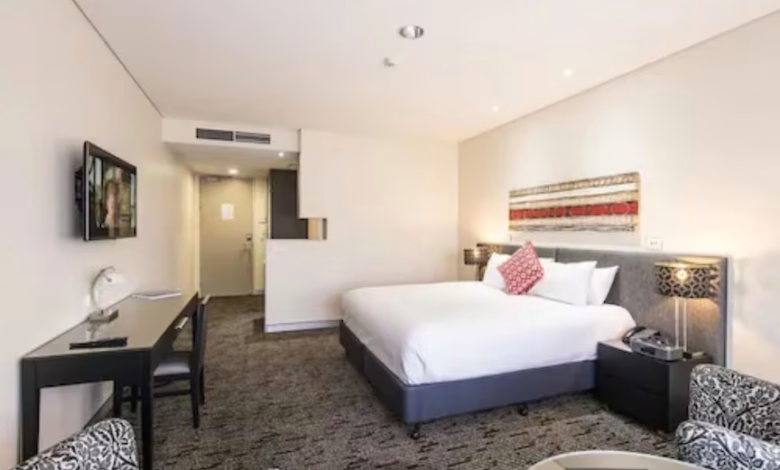
Accommodation shapes how people live, work, study, and travel, influencing comfort, productivity, and overall well-being. In many cities and travel destinations, the right accommodation choice can define the entire experience. Whether someone is relocating for work, planning a long vacation, or investing in property, understanding how accommodation functions in today’s world is essential. The term Accommodation appears frequently in discussions about housing trends, rental markets, and lifestyle changes, reflecting its growing importance in daily life.
Choosing a place to stay has moved far beyond simply finding a roof overhead. Families prioritize stability and community values, professionals look for convenience and amenities, students seek affordability and access, and travelers search for immersive experiences. Each scenario demands a careful look at how accommodation supports personal goals, financial limits, and long-term comfort.
How Modern Housing Needs Are Changing
Life today looks different compared to a decade ago, and housing preferences have shifted alongside technology, remote work, demographic changes, and economic realities. Many individuals reevaluate what comfort means, focusing on flexibility, digital integration, and better access to services. Understanding these needs helps people make decisions that align with lifestyle and budget.
The rise of flexible living
Remote work increased the need for accommodations that blend personal and professional life. Residents expect features that support multitasking, such as:
- Rooms that can convert into home offices
- Reliable high-speed internet
- Soundproofing for privacy and productivity
- Access to nearby shops, transport, and green spaces
Demand for better amenities
Amenities used to be considered luxuries, but today they often determine whether a housing option feels livable. Modern expectations include:
- Secure parking
- Fitness areas
- Community spaces for social interaction
- Smart access controls
- Storage for outdoor gear or bulky items
Multi-generational needs
Shifting family structures influence housing design. Many households accommodate aging relatives or adult children returning home. This changes what people look for in floor plans, safety features, and proximity to healthcare.
Types of Accommodation and Their Key Roles
Accommodation comes in many forms, each serving specific needs based on location, lifestyle, and duration of stay. Knowing the advantages and limitations helps individuals make responsible, informed choices.
Long-term residential accommodation
People planning to stay in one place for years usually value stability, privacy, and community belonging. Long-term accommodation often includes:
- Single family homes
- Townhomes
- Apartments and condominiums
- Retirement housing
Each option offers a different balance of cost, maintenance responsibilities, and independence.
Short-term and temporary accommodation
Temporary stays may be required for travel, job assignments, home renovations, or medical visits. Short-term choices place emphasis on convenience and predictability. Examples include:
- Furnished apartments
- Extended stay properties
- Guesthouses
- Vacation rentals
These options cater to people who want comfort without long commitments.
Student accommodation
Students typically prioritize affordability, proximity to campus, and opportunities for social interaction. Student-focused housing delivers:
- Shared living arrangements
- Study-friendly environments
- Community programs
- Safety measures tailored to young adults
Corporate accommodation
Businesses often require housing solutions for relocating employees or consultants on long assignments. Corporate options emphasize:
- Seamless move-in and move-out processes
- Reliable utilities and workspace
- Locations near transportation and business districts
- Transparent billing for expense reporting
Factors That Shape the Quality of Accommodation
Whether purchasing or renting, the quality of an accommodation option impacts daily satisfaction. Evaluating key elements ensures smarter choices.
Location
Location is often the most influential factor. It affects:
- Commute times
- Access to public transportation
- Noise levels
- Safety perception
- Proximity to workplaces, schools, and essential services
Even the most well-designed housing loses value if the location feels inconvenient or disconnected.
Layout and functionality
A thoughtful layout improves comfort and reduces clutter. Considerations include:
- Whether rooms serve their intended functions
- Space for work, rest, and storage
- Ease of movement within the unit
- Natural light and ventilation
Functional layouts support wellness and reduce daily frustrations.
Building quality and maintenance
The lifespan of an accommodation depends heavily on structural integrity, material quality, and ongoing upkeep. Signs of good maintenance include:
- Clean common areas
- Responsive management
- Updated safety systems
- Reliable plumbing and electrical systems
Safety and security
Residents deserve environments that feel safe. Quality accommodation incorporates:
- Well-lit entryways
- Secure locks and access systems
- Fire safety protocols
- On-site personnel or surveillance where appropriate
Affordability
Cost determines which options are within reach. A realistic budget must include:
- Security deposits
- Monthly rent or mortgage payments
- Utility costs
- Maintenance fees or community charges
- Insurance
Balancing cost with comfort helps prevent financial strain.
The Impact of Technology on Accommodation Choices
Technology reshapes how people find, manage, and experience housing.
Smart home integration
Modern accommodations frequently incorporate automated features to enhance comfort, including:
- Temperature control systems
- Smart lighting
- Remote security access
- Voice-controlled devices
These features improve efficiency and allow residents to customize their living environment.
Virtual tours and digital applications
Digital tools simplify the search process. Many people rely on:
- Virtual walkthroughs to inspect properties remotely
- Online applications to save time
- Digital lease signing for smooth transactions
- Direct communication platforms for maintenance requests
These innovations make accommodation more accessible and transparent.
Sustainability and Eco-Friendly Living
Environmental concerns influence where and how people choose to live.
Energy-efficient designs
Energy-conscious accommodations often include:
- Well-insulated walls and windows
- Solar power systems
- LED lighting
- Efficient heating and cooling setups
Lower energy use reduces bills and helps protect the environment.
Water conservation
Proper accommodation design may support:
- Water-efficient fixtures
- Sustainable landscaping
- Smart irrigation systems
Waste management and recycling
Community recycling programs and composting services encourage responsible waste habits and reduce environmental impact.
The Role of Community in Accommodation Satisfaction
People increasingly value a sense of community in their living spaces. Accommodations that encourage healthy social interactions foster greater satisfaction.
Social engagement spaces
Common areas such as lounges, gardens, and recreation rooms promote:
- Neighborly interactions
- Support networks
- Events and activities that build connections
Pet-friendly environments
Many individuals consider pets part of the family. Pet-inclusive accommodation supports:
- Pet-friendly policies
- Walking areas
- Access to veterinary or grooming services nearby
How to Evaluate Accommodation Options Wisely
A careful evaluation process leads to better outcomes when renting or purchasing.
Conduct a detailed inspection
Before committing, examine:
- Structural condition
- Lighting and ventilation
- Appliance functionality
- Closet and storage space
- Parking availability
- Noise levels at different times of day
Review policies and contracts
Paperwork determines the rules and responsibilities. Make sure to review:
- Lease terms
- Maintenance obligations
- Payment schedules
- Penalties for breaking agreements
- Community guidelines
Consider future needs
Housing should adapt to changes in career, family, or financial circumstances. Think about:
- Space for future family growth
- Flexibility to work from home
- Resale or rental potential
Compare similar options
Evaluating multiple accommodations provides perspective. Compare based on:
- Price
- Amenities
- Convenience
- Long-term value
FAQs About Accommodation
What is the most important factor to consider when selecting accommodation?
Location typically plays the biggest role because it affects convenience, safety, transportation access, and overall lifestyle.
How can someone determine if an accommodation is priced fairly?
It helps to compare similar listings in the same area, analyze included amenities, and consider long-term costs like utilities, maintenance, and commute expenses.
Why is layout important in accommodation?
A functional layout enhances comfort by ensuring that living, sleeping, cooking, and working spaces are easy to use, reduce clutter, and support daily routines.
Are furnished accommodations worth the higher cost?
Furnished options can be beneficial for short-term stays or relocations because they minimize moving expenses and offer convenience. The value depends on duration of stay and the quality of furnishings.
How can sustainability improve living conditions?
Energy-efficient systems, natural lighting, eco-friendly materials, and smart waste management create healthier environments, reduce utility bills, and support environmental responsibility.
What should families look for in long-term accommodation?
Families often prioritize safety, reliable school access, proximity to healthcare, ample storage, durable materials, and community activities that support family life.
If you want, I can also craft variations of this article tailored for specific audiences such as travelers, students, businesses, or retirees.