Exploring Thailand’s Cultural and Natural Wonders Across All Regions
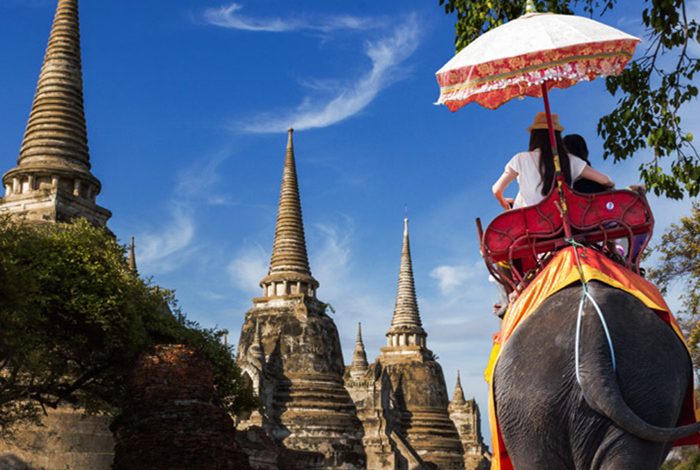
Thailand captivates visitors with its extraordinary diversity of experiences, from ancient temples that have stood for centuries to pristine beaches and lush mountain forests. Each of the country’s four distinct regions offers unique treasures that showcase different aspects of Thai civilization and natural beauty. The sheer variety of what you can discover here makes Thailand one of Asia’s most compelling destinations.
The range of Thailand tourist attractions spans from bustling metropolitan areas filled with golden pagodas to remote national parks where elephants roam freely through dense jungle. This remarkable country manages to balance preservation of its traditional heritage with modern development, creating experiences that satisfy history enthusiasts, nature lovers, and adventure seekers alike.
Northern Thailand
The northern region centers around Chiang Mai, Thailand’s former capital, where ancient city walls enclose over 300 temples. Wat Phra That Doi Suthep perches dramatically on a mountain overlooking the city, reached by climbing 309 steps lined with mythical serpent sculptures.
The surrounding mountains harbor traditional hill tribe communities, each maintaining unique customs and handicrafts. Visiting villages like those of the Karen, Hmong, and Akha peoples provides insight into ways of life that have changed little over generations.
Chiang Rai province offers the striking White Temple (Wat Rong Khun), a contemporary artistic interpretation of traditional Buddhist architecture. The nearby Golden Triangle, where Thailand meets Laos and Myanmar, holds historical significance as a former opium trading hub.
Central Thailand
Bangkok dominates the central region with its magnificent Grand Palace complex, home to the revered Emerald Buddha. The city’s canal network, once earning it the nickname “Venice of the East,” still functions today with longtail boats navigating between traditional markets and modern developments.
Ayutthaya, Thailand’s ancient capital, showcases ruins of what was once one of the world’s largest cities. The archaeological park contains dozens of temple ruins where stone Buddha heads emerge mysteriously from tree roots, creating some of Thailand’s most photographed scenes.
The floating markets near Bangkok, particularly Damnoen Saduak, demonstrate traditional commerce as vendors sell fresh produce from wooden boats navigating narrow waterways.
Northeastern Thailand
The Isaan region remains Thailand’s most traditional area, where rural life continues much as it has for centuries. Rice paddies stretch to distant horizons, punctuated by Buddhist temples that serve as community centers for farming villages.
Khao Yai National Park protects 2,100 square kilometers of forest where visitors can spot wild elephants, gibbons, and over 300 bird species. The park’s waterfalls and hiking trails provide accessible wilderness experiences just hours from Bangkok.
Phimai Historical Park contains remarkably preserved Khmer temple complexes that predate Cambodia’s famous Angkor Wat. These sandstone structures demonstrate the extent of the ancient Khmer empire’s influence across the region.
Southern Thailand
The southern peninsula divides between the Andaman Sea coast and the Gulf of Thailand, each offering distinct experiences. Phuket and Krabi on the Andaman side feature dramatic limestone cliffs rising from turquoise waters, whilst Koh Samui and Koh Phangan in the Gulf provide palm-fringed beaches and coral reefs.
Khao Sok National Park contains some of Thailand’s oldest rainforest, where ancient trees create canopies so dense that little sunlight reaches the forest floor. The park’s centerpiece, Cheow Lan Lake, features towering limestone formations reflected in emerald waters.
The southern region also showcases Thailand’s Muslim heritage, particularly in provinces near the Malaysian border where mosque architecture and Malay cultural influences create a different atmosphere from the Buddhist-dominated north.
Connecting Culture and Nature
Throughout all regions, Thailand’s Buddhist temples serve as repositories of art, architecture, and spiritual practice. These sacred spaces often incorporate natural elements, from temple gardens to meditation caves carved into cliffsides.