The Deeper Meaning of Adventure in Modern Life
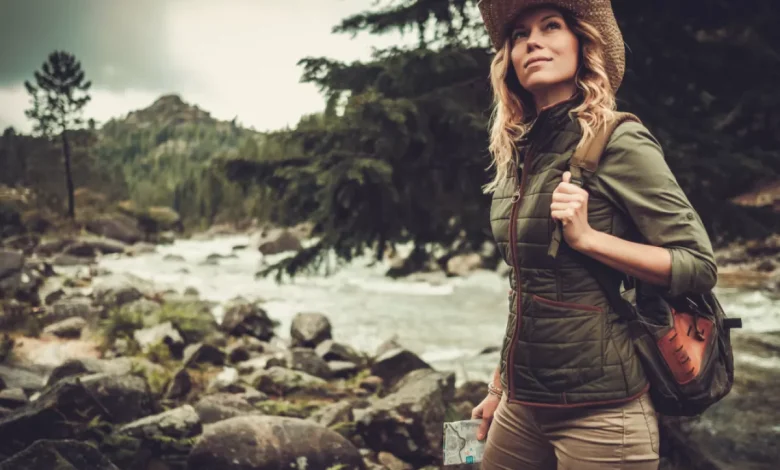
Adventure influences how people grow, make decisions, and redefine their personal limits. In many conversations about personal development and travel, the idea of Adventure often appears as a motivation to explore the unfamiliar and pursue experiences that create long lasting change. In the fast paced world of today, the concept reaches far beyond outdoor thrills and becomes a pathway to build resilience, expand knowledge, and strengthen mental clarity. People turn to adventure as a way to reconnect with themselves, discover new environments, and gain insights that traditional routines rarely provide.
The demand for meaningful experiences continues to rise as individuals seek balance between responsibility, ambition, and emotional well being. This shift encourages a deeper understanding of what adventure truly represents. It is not only about physical exploration but also about the willingness to pursue difficulty, curiosity, and transformation. The right adventure challenges assumptions, tests skills, encourages flexibility, and enriches a person’s sense of identity.
Why Adventure Matters More Today
Adventure holds significant value in a world shaped by digital connectivity and routine pressures. People often find themselves searching for ways to break away from predictability and rediscover genuine excitement. Understanding why adventure has become essential helps explain its influence on mental strength, social connection, and overall life fulfillment.
Psychological benefits that shape growth
Experiences that push individuals outside their comfort zones strengthen the mind. Research and real life examples show that engaging in adventurous activities can:
- Reduce stress levels by resetting mental focus
- Improve problem solving abilities through unfamiliar challenges
- Enhance confidence by overcoming perceived limitations
- Encourage creativity through exposure to different environments
- Strengthen emotional regulation by facing unforeseen obstacles
Adventure provides a natural environment for self discovery. The unpredictability of new territories allows people to develop patience and adaptability while fostering a deeper awareness of their personal strengths.
Social and community impact
Adventure often brings people together in powerful ways. Shared experiences create long lasting bonds because individuals support each other through challenges and celebrate achievements collectively. Group adventures help:
- Build trust within teams or friendships
- Encourage collaboration in unfamiliar situations
- Strengthen communication skills
- Promote cultural understanding when adventures include international travel
Communities that value adventure also tend to nurture active lifestyles and greater appreciation for natural environments.
Physical health improvements
Physical adventures provide health benefits that extend far beyond basic exercise. Activities such as climbing, hiking, paddling, cycling, or distance running contribute to:
- Improved cardiovascular health
- Greater muscle strength and endurance
- Better balance and coordination
- Enhanced immune function
- Increased motivation to maintain consistent fitness habits
Physical effort in natural environments offers a deeper reward. It encourages people to respect their surroundings and understand how physical activity influences long term health.
Types of Adventure and Their Unique Purposes
Adventure comes in many forms, each supporting different goals and personal motivations. Understanding these variations helps individuals choose experiences that match their interests, physical capacity, and personal intentions.
Outdoor adventure
Outdoor adventure remains the most traditional and popular form. It immerses people in natural settings where they must rely on strategic thinking, physical stamina, and environmental awareness. Examples include:
- Mountain hiking and alpine trekking
- Rock climbing and bouldering
- Kayaking, rafting, and paddleboarding
- Trail running and ultra distance challenges
- Camping in remote regions
- Wildlife exploration and nature photography expeditions
These activities often require planning, safety preparation, and respect for natural ecosystems. They provide powerful opportunities to disconnect from daily pressures and reconnect with the natural world.
Urban adventure
Urban adventure redefines exploration within modern cities. Instead of mountains or forests, the challenge comes from navigating culture, architecture, and human dynamics. Urban adventures may involve:
- Exploring historic districts through walking tours
- Culinary discoveries in diverse neighborhoods
- Art and cultural immersion experiences
- Hidden landmark hunts
- Fitness based urban challenges
This form of adventure requires curiosity and attention to detail. It encourages people to look at cities with fresh perspectives and appreciate the complexity of human environments.
Intellectual adventure
Not all adventures are physical. Intellectual adventures push the boundaries of knowledge and skill. They involve:
- Learning a new language
- Studying complex subjects independently
- Developing high level skills such as coding, music composition, or financial strategy
- Engaging in long term creative projects
- Tackling philosophical questions or scientific exploration
Intellectual adventurers value curiosity over comfort. They are driven by the desire to understand the deeper layers of the world and challenge their mental capacity.
Cultural adventure
Cultural adventures involve immersive travel experiences where individuals engage with new traditions, customs, and ways of living. This type of adventure teaches:
- Respect for cultural differences
- Flexibility when navigating unfamiliar social environments
- Awareness of global perspectives
- Deeper understanding of identity and community
Cultural adventure enriches the mind through exposure to new languages, foods, celebrations, and values. It broadens worldviews and strengthens empathy.
Emotional and personal adventure
Perhaps the most transformative adventures are inward journeys. Emotional adventures require vulnerability and self examination. They may include:
- Starting a new chapter after a major life change
- Pursuing meaningful relationships
- Overcoming fears or personal obstacles
- Making courageous career decisions
- Establishing a new lifestyle or moving to a new city
The emotional terrain is unpredictable, but these experiences build personal strength and clarity.
How to Prepare for an Adventure the Right Way
Preparation determines the quality and safety of any adventure. A thoughtful approach ensures that people gain the maximum benefit while minimizing risks.
Define your objective
Before beginning any adventure, it is important to ask:
- What do I want to gain from this experience
- Which skills do I want to use or develop
- How difficult should the challenge be
- What time and resources can I commit
This clarity helps shape efficient planning and realistic expectations.
Research the environment
Understanding the terrain, culture, or intellectual subject matter is crucial. Research may include:
- Reading guides or specialized books
- Learning about local weather and environmental risks
- Studying cultural norms if traveling internationally
- Reviewing maps or digital navigation tools
- Understanding required permits or regulations
Comprehensive research minimizes surprises and improves overall confidence.
Prepare physically and mentally
Even non physical adventures require mental and emotional readiness. Preparation may involve:
- Building strength and stamina for outdoor activities
- Practicing mindfulness for emotional resilience
- Improving time management for intellectual projects
- Establishing a calm mental state to handle unexpected events
Training builds trust in your abilities.
Pack and organize properly
A well organized setup makes any adventure smoother. Essential considerations include:
- Safety equipment or first aid supplies
- Tools specific to the activity such as climbing gear or photography equipment
- Weather appropriate clothing
- Enough food and hydration
- Travel documents if crossing borders
Preparation reduces stress during the experience and keeps the focus on enjoyment and discovery.
The Role of Adventure in Building Life Skills
Adventurous activities strengthen practical abilities that influence everyday decisions and long term opportunities.
Leadership development
Adventure teaches leadership through real time decision making. Leaders learn to:
- Stay calm under pressure
- Evaluate risks clearly
- Coordinate teams efficiently
- Encourage others during difficult moments
- Develop long term planning skills
Leadership practiced in challenging environments often translates into strong career performance.
Risk assessment and management
Adventure requires evaluating risks without avoiding growth. Good adventurers understand:
- The difference between acceptable and dangerous risk
- How to analyze environment based information
- How to maintain safety protocols
- How to make logical and confident choices
These abilities improve judgment in both personal and professional situations.
Time management and discipline
Whether preparing for a long hike or completing an intellectual challenge, adventure requires strict discipline. It teaches:
- Consistent practice
- Awareness of deadlines
- Prioritization of tasks
- Efficient use of resources
These habits strengthen productivity in all areas of life.
Creativity and innovation
New environments stimulate fresh ideas. Adventure improves creative thinking by:
- Introducing unfamiliar perspectives
- Encouraging experimentation
- Challenging routine based patterns
- Inspiring solutions not visible in predictable environments
Creativity expands naturally when people leave their comfort zones.
Long Term Impact of an Adventurous Lifestyle
Living a life focused on adventure generates benefits that continue to shape identity and character over time.
Greater emotional resilience
Repeated exposure to challenges teaches people how to handle uncertainty. Emotional resilience improves through:
- Facing discomfort
- Managing failure constructively
- Appreciating small wins
- Building patience and persistence
These qualities strengthen personal stability.
Stronger sense of identity
Adventure encourages people to explore who they really are. Discoveries made during challenging experiences help individuals understand:
- Their values
- Their priorities
- Their abilities and limits
- Their passions
Self awareness becomes deeper and more grounded.
Lifelong passion for growth
Adventurers rarely stop learning. Each experience inspires curiosity about the next challenge. This momentum shapes a mindset that values:
- Exploration over stagnation
- Discovery over routine
- Courage over hesitation
The outcome is a lifetime of meaningful experiences.
FAQs About Adventure
How can someone build adventure into a busy lifestyle?
Small experiences can create meaningful adventure without requiring long trips. Short hikes, local tours, new hobbies, or skill based challenges help introduce novelty and excitement into weekly routines.
What makes an adventure transformative rather than recreational?
Transformative adventure requires intention. When people pursue experiences that challenge their assumptions, push their limits, or offer personal insight, the impact becomes deeper and longer lasting.
Can adventure help reduce burnout?
Yes. Stepping away from routine responsibilities and immersing in new environments helps reset mental energy. Adventure stimulates motivation and breaks the cycle of monotony that causes burnout.
What is the safest way to begin outdoor adventures?
Starting with well marked trails, joining guided group activities, researching conditions, and learning basic safety skills helps beginners develop confidence while reducing risks.
Is adventure only for physically active individuals?
Not at all. Adventure includes intellectual, cultural, and emotional experiences. Anyone can pursue adventurous growth regardless of athletic ability.
How do families create meaningful adventures together?
Families succeed when activities match everyone’s abilities and interests. Nature walks, cultural trips, skill building workshops, and creative challenges allow all members to bond through shared exploration.
If you would like, I can also create specialized variations of this article tailored for travelers, students, professionals, or families.