A Comprehensive Guide to Flights & Ticket Planning for Modern Travelers
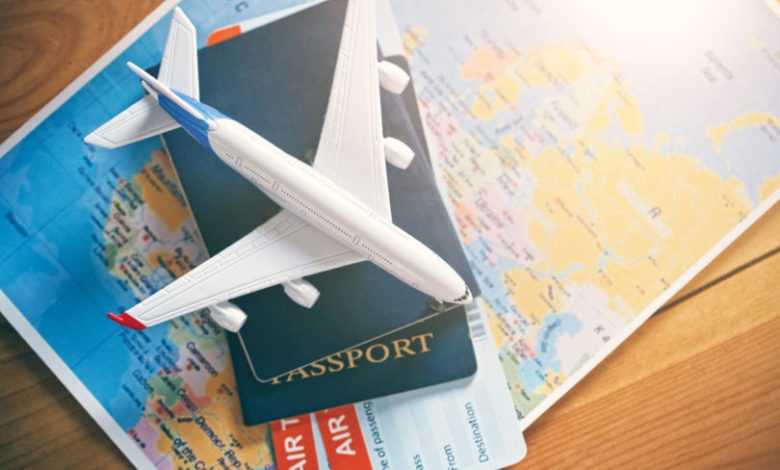
Understanding Flights & Ticket options is essential for anyone who wants to travel efficiently, save money, and enjoy a smoother journey. In today’s world, planning flights requires more than simply selecting a departure and arrival time. Travelers compare airlines, seat types, fare classes, baggage rules, and timing strategies to secure the best value. Whether someone travels for business, leisure, education, or family commitments, Flights & Ticket decisions shape how comfortable, affordable, and stress free the entire travel experience becomes.
Many travelers underestimate how much the booking process influences trip quality. Flight schedules affect sleep cycles, jet lag, productivity, and overall mood. Ticket types determine flexibility and long term convenience. Even small details like seat selection or understanding fare restrictions can transform the journey. With increased interest in international mobility and more people exploring new destinations, mastering the details of Flights & Ticket planning becomes an important travel skill.
How Modern Flight Systems Shape the Travel Experience
Air travel has evolved dramatically over the past two decades. Technology, passenger demand, and improved infrastructure have reshaped how flights operate and how travelers make booking decisions.
Global air network growth
The world is more connected than ever. Expanded flight routes allow passengers to reach remote regions, second tier cities, and less crowded airports. This growth influences travel in several ways:
- Increased availability of direct flights reduces travel time
- More flexible connection options allow for personalized itineraries
- Regional airports offer cost effective alternatives to major hubs
- More competition supports better pricing
- Travelers gain access to new cultural and business opportunities
As global mobility increases, strategic flight planning becomes even more valuable.
Improvements in aviation technology
Modern aircraft are designed for safety, efficiency, and comfort. Key advancements include:
- Lighter materials for improved fuel economy
- Advanced engines that reduce noise and emissions
- Better cabin pressurization for comfort on long flights
- Enhanced oxygen levels and humidity control
- Upgraded navigation systems for smoother routes
These improvements create safer, more enjoyable flights across long distances.
Changing traveler expectations
Today’s travelers want flexibility, information, and personalization. Airlines respond by offering:
- Transparent pricing
- Digital boarding passes
- Real time flight updates
- Seat selection features
- Priority lanes and upgraded services
Travelers who understand these features can make better decisions when booking Flights & Ticket combinations.
Types of Flight Tickets and Their Unique Purposes
Not every ticket offers the same flexibility or value. Understanding ticket types helps travelers avoid unnecessary fees and frustration.
Economy class
Economy class remains the most common option for global travelers. Benefits include:
- The lowest fare categories
- Multiple seat configurations depending on aircraft
- Complimentary beverages on many routes
- Optional add ons for baggage or seat upgrades
Economy class suits casual travelers, families, or anyone looking for affordable trips without premium features.
Premium economy
Premium economy bridges the gap between standard seats and business class. Advantages include:
- Wider seats
- Additional legroom
- Enhanced meal service
- Priority boarding on some routes
- Better recline and footrests
This option provides comfort for long haul flights without the cost of business class.
Business class
Business class offers a high quality travel experience designed for productivity and comfort. It includes:
- Lie flat seats
- Premium dining
- Lounge access
- Extra baggage allowance
- Dedicated cabin service
Business travelers benefit from the ability to work, rest, and arrive feeling refreshed.
First class
First class represents elite travel luxury. Travelers enjoy:
- Private suites or enclosed cabins
- Top tier dining experiences
- Exclusive lounge access
- Enhanced privacy
- Personalized service
First class is ideal for long distance travelers who prioritize maximum comfort.
Flexible vs restricted tickets
Travelers choose between ticket flexibility and affordability. Key differences include:
- Restricted tickets have lower prices but limited change or refund options
- Flexible tickets allow itinerary changes without heavy penalties
- Semi flexible options blend affordability with moderate change policies
- Refundable tickets provide peace of mind for uncertain travel plans
Choosing the right level of flexibility helps travelers avoid unnecessary stress.
Factors That Influence Flight Prices
Flight pricing is dynamic and influenced by multiple variables. Travelers who understand these factors are more likely to secure cost efficient tickets.
Seasonality and demand
High travel seasons cause significant price increases. Common peak periods include:
- Summer vacation months
- Holiday seasons
- Spring break
- Major festivals and global events
Booking early helps avoid premium pricing during busy months.
Day and time of travel
The cost of a flight can change depending on the day and time. Trends often include:
- Midweek flights tend to be cheaper than weekend departures
- Early morning or late night flights offer better deals
- Peak business travel times increase fares
- Red eye flights often cost less than daytime trips
Timing decisions affect both cost and comfort.
Airport selection
Different airports offer different price structures. Regional or secondary airports may provide:
- Lower taxes and fees
- Less congestion
- More affordable parking
- Easier security processing
Considering alternative airports can lead to substantial savings.
Booking window
Flight prices fluctuate as departure dates approach. A general guideline is:
- Domestic flights are ideal to book 1 to 3 months early
- International flights are ideal to book 2 to 6 months early
- Very early or last minute tickets are often expensive
Understanding the booking window helps secure the best airfare.
Ticket class and add ons
Small details can influence the final ticket cost:
- Baggage fees
- Seat selection charges
- In flight upgrades
- Priority check in
- Cancellation insurance
Price transparency allows travelers to avoid surprise charges.
Navigating the Booking Process With Confidence
A successful booking requires planning, comparison, and attention to detail.
Setting travel goals
Travelers should define their needs before selecting flights. Consider:
- Budget
- Destination preferences
- Flexibility
- Time constraints
- Comfort requirements
- Baggage needs
This clarity makes it easier to compare ticket options accurately.
Evaluating flight schedules
Schedules heavily influence travel comfort. When choosing a flight, consider:
- Layover duration
- Arrival time relative to hotel check in
- Morning versus evening departures
- Jet lag implications
- Seasonal weather conditions
A well timed itinerary reduces exhaustion and improves trip efficiency.
Understanding fare rules
Each ticket carries specific conditions. Fare rules may include:
- Change fees and deadlines
- Baggage allowances
- Refund conditions
- Seat selection options
- Check in requirements
- Cancellation penalties
Travelers should always review terms carefully before purchasing.
Selecting the right seat
Seat selection affects comfort and experience. Passengers may choose based on:
- Legroom needs
- Proximity to exits
- Window vs aisle preference
- Noise levels
- Bathroom location
- Flight duration
Comfortable seating leads to a more pleasant flight.
Baggage Planning for Flights
Effective packing and baggage planning eliminate stress at check in, boarding, and arrival.
Carry on baggage
Travelers should know what can and cannot be taken on board. Carry on essentials include:
- Medications
- Electronics
- Travel documents
- Valuable items
- One set of clothing in case of delays
Carry on restrictions vary by airline and region.
Checked baggage
Checked bag rules influence ticket cost and weight planning. Travelers must consider:
- Maximum weight limits
- Oversize fees
- Fragile items handling
- Security restrictions
- Connecting flight baggage transfer
Proper packing prevents extra charges and protects belongings.
Personal items
A personal item such as a backpack or small bag is usually allowed. It should contain:
- Snacks
- Wallet and ID
- Travel essentials
- Hygiene products
- Chargers and cables
This item provides convenient access to important items during the flight.
Understanding Flight Etiquette and In Flight Comfort
Travel etiquette improves the journey for both passengers and crew.
Boarding etiquette
Effective boarding involves:
- Having documents ready
- Respecting zone assignments
- Storing bags efficiently
- Keeping aisles clear
Smooth boarding helps flights depart on time.
In flight behavior
Passenger comfort improves when everyone follows proper etiquette:
- Keeping volume low
- Respecting seat space
- Asking politely before reclining
- Maintaining clean surroundings
- Following crew instructions
Good manners create a pleasant travel atmosphere.
Maximizing comfort
Comfort strategies can make even long flights manageable:
- Wear breathable clothing
- Drink plenty of water
- Stretch periodically
- Use neck pillows
- Bring noise canceling headphones
- Pack light snacks
Comfort planning reduces fatigue and stiff muscles.
Real Life Challenges and How to Handle Them
Travelers often face issues during flight planning or travel days.
Flight delays
Delays can result from weather, mechanical issues, or staffing challenges. Travelers should:
- Monitor flight updates
- Contact customer service early
- Request meal vouchers on long delays
- Understand compensation policies
Preparedness reduces stress.
Missed connections
When a connection is missed, travelers should:
- Speak with airline staff immediately
- Request rebooking at no additional cost
- Inquire about lodging if delays extend overnight
Quick action leads to faster solutions.
Lost luggage
Lost luggage requires patience and proper documentation. Steps include:
- Filing a report immediately
- Keeping receipts for emergency purchases
- Tracking updates through baggage claim systems
- Understanding reimbursement policies
Most luggage is recovered within a short time frame.
FAQs About Flights & Ticket
How far in advance should travelers book flights for the best price?
Domestic flights are often best booked 1 to 3 months ahead, while international flights generally offer good deals 2 to 6 months ahead. Seasonality and holidays affect this timing.
What is the difference between direct and nonstop flights?
A nonstop flight travels from point A to point B without stopping. A direct flight may include a stop but does not require passengers to switch planes.
Are evening flights better for avoiding long lines at airports?
Yes. Evening flights often have shorter security lines and less airport congestion, although weather conditions can sometimes impact late night travel.
Can travelers change their tickets without fees?
This depends on the ticket type. Flexible and refundable tickets allow changes with fewer restrictions, while basic or restricted fares often carry change penalties.
How do layovers affect flight experience?
Short layovers increase risk of missed connections, while long layovers can add comfort but prolong travel time. Travelers should consider airport layout and time of day.
Why do flight prices fluctuate throughout the day?
Prices change based on demand, seat availability, booking trends, seasonal patterns, and how full the aircraft is at the time of search.
If you want, I can also create specialized articles focused on international flight planning, premium travel strategies, student travel tips, or business travel efficiency.