The Complete Guide to Camping and the Modern Outdoor Experience
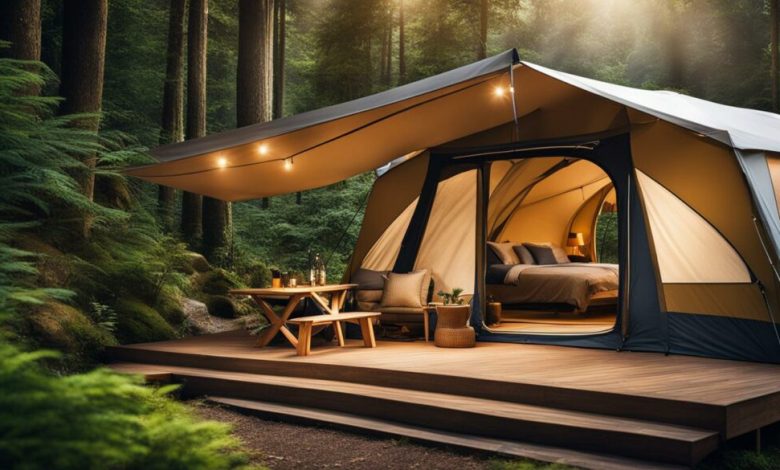
Camping has become one of the most meaningful ways for people to reconnect with nature, reduce stress, and rediscover a slower pace of living. In many conversations about outdoor recreation, personal wellness, and sustainable travel, the idea of camping often appears as a gateway to simplicity and deeper self awareness. Whether someone chooses a rugged backcountry adventure or a comfortable family friendly campsite, camping brings a sense of fulfillment that is difficult to achieve in daily routine. Many travelers are rediscovering Camping as a grounding experience that strengthens mental clarity, physical health, and appreciation for natural landscapes.
As more people turn to outdoor experiences for emotional balance, education, and recreation, the nature of camping continues to evolve. Modern camping involves technical gear, eco friendly practices, advanced navigation tools, and improved campsite infrastructure. Yet at its core, the purpose remains the same. Camping gives people a chance to step away from noise, reconnect with the natural environment, and build memories that last a lifetime.
Why Camping Has Become Essential in Modern Life
Camping offers tangible benefits that reach far beyond relaxation. In a world filled with digital distraction, social pressure, and performance driven routines, spending time outdoors creates a restorative effect on both mind and body.
Mental and emotional wellness
Exposure to natural environments has proven psychological benefits. Studies and real world experiences show that time outdoors can:
- Reduce stress hormones through sensory grounding
- Increase emotional stability by limiting overstimulation
- Encourage reflective thinking and mindfulness
- Improve long term mood balance
- Strengthen resilience by removing comfort based habits
Camping enhances these benefits by removing distractions and allowing people to fully immerse themselves in natural surroundings.
Physical health improvements
Unlike indoor lifestyles, camping encourages consistent physical activity. Even simple tasks like gathering firewood or hiking to a campsite improve fitness. Common physical benefits include:
- Better cardiovascular endurance
- Increased flexibility and range of motion
- Improved sleep quality through natural light cycles
- Strengthened muscles through practical movement
- Enhanced immune response from fresh air exposure
Camping supports healthier habits without forced exercise.
Strengthening relationships
Camping builds stronger connections between families, friends, and partners. Shared tasks and outdoor challenges create memories that strengthen trust and communication. Campers often bond through:
- Setting up tents and working together
- Cooking meals over a fire
- Exploring trails as a team
- Navigating weather changes
- Solving problems without modern conveniences
These experiences build genuine connection that daily routines rarely allow.
Different Styles of Camping and Their Unique Purpose
There is no single definition of camping. The experience adapts to personal preference, skill level, available equipment, and environmental conditions. Understanding different styles helps campers choose the right approach for their goals.
Traditional tent camping
Tent camping is the most recognizable style. It offers versatility, allowing campers to stay in forests, coastlines, mountains, deserts, and designated campgrounds. People choose tent camping because it provides:
- Affordable and accessible outdoor experiences
- A deeper connection to nature through direct exposure
- Adaptability for both short and long trips
- Opportunities to learn practical wilderness skills
Tent camping demands preparation and awareness of local wildlife, weather patterns, and campsite regulations.
Backcountry and wilderness camping
Backcountry camping takes place in remote areas far removed from roads and developed facilities. This style offers a raw and immersive outdoor experience but requires advanced skills. Backcountry campers must understand:
- Water purification methods
- Map reading and compass navigation
- Safe food storage practices
- Lightweight gear management
- Emergency planning and survival strategies
This form of camping appeals to individuals seeking solitude, challenge, and complete immersion in nature.
Car camping
Car camping makes overnight outdoor experiences more accessible. Campers drive directly to designated camping areas and use their vehicle for storage and support. Benefits include:
- Comfortable setup with less physical strain
- Access to more equipment and food
- Ease of travel for families or beginners
- Safer environments with marked sites and facilities
Car camping provides convenience without sacrificing the core experience of spending time outdoors.
RV and trailer camping
Recreational vehicles and trailers offer greater comfort and protection. This style suits long road trips and extended stays. RV campers enjoy:
- Climate controlled sleeping spaces
- Built in kitchens and bathrooms
- Storage for sporting equipment
- Comfortable travel for children and older adults
RV camping requires access to proper hookups, dump stations, and spacious campsites.
Survivalist or minimalist camping
Minimalist camping removes all non essential gear. Campers rely heavily on natural resources and basic outdoor skills. This approach teaches:
- Resourcefulness and adaptability
- Advanced fire making and shelter building
- Efficient energy use
- Deep environmental awareness
Minimalist camping is not recommended for beginners without proper training.
Essential Skills Every Camper Should Develop
Regardless of style or experience, certain skills create safer and more enjoyable camping trips.
Fire building and safety
Fire plays a central role in camping for warmth, cooking, and comfort. Campers must understand:
- How to collect safe and dry firewood
- Proper fire ring setup
- Techniques for maintaining a low smoke fire
- Fire safety rules and extinguishing methods
- Local fire regulations during dry seasons
Fire skills enhance outdoor self sufficiency while protecting surrounding environments.
Campsite selection
Choosing the right campsite affects comfort, safety, and environmental impact. Key considerations include:
- Flat ground free of hazards
- Safe distance from water sources
- Protection from wind exposure
- Avoiding wildlife trails
- Understanding weather patterns in the region
A well selected campsite ensures restful sleep and safer conditions.
Cooking and food safety
Campfire cooking requires planning and awareness. Campers must prepare by:
- Storing food safely to avoid attracting wildlife
- Using proper tools such as portable stoves
- Understanding cooking temperatures
- Bringing meals that store well outdoors
- Managing waste responsibly
Proper food handling helps prevent illness and maintains campsite cleanliness.
Wilderness navigation
Knowing how to navigate natural terrain prevents dangerous situations. Essential navigation skills include:
- Reading topographic maps
- Using a compass
- Following trail markers
- Recognizing land features for orientation
- Maintaining direction in low visibility conditions
Navigation knowledge ensures safe exploration.
Weather awareness
Weather changes quickly in natural environments. Campers should learn to:
- Interpret cloud formations
- Monitor temperature changes
- Prepare for sudden storms
- Protect gear from moisture
- Dress in layers to maintain warmth
Weather preparedness reduces risk and improves comfort.
The Gear That Defines a Well Prepared Camper
High quality equipment improves safety, efficiency, and overall enjoyment.
Shelter and sleeping systems
The foundation of outdoor comfort depends on reliable shelter. Campers often bring:
- Durable tents with reinforced poles
- Rainfly attachments for moisture protection
- Sleeping bags rated for specific temperatures
- Insulated sleeping pads
- Compact pillows for neck support
These items create a warm and comfortable sleep environment.
Cooking equipment
Cooking outdoors requires tools that can withstand rugged conditions. Common choices include:
- Lightweight camping stoves
- Cookware made of aluminum or titanium
- Fire safe grills
- Long handled utensils
- Portable water filters
Efficient cooking systems save time and conserve fuel.
Clothing and personal gear
Outdoor clothing must balance comfort with protection. Essential items include:
- Quick drying layers
- Waterproof jackets
- Insulated outerwear for colder climates
- Breathable socks and sturdy boots
- Hats, gloves, and sun protection
Proper clothing prevents injury and enhances mobility.
Environmental Responsibility and Ethical Camping
Responsible campers protect natural areas to preserve them for future generations.
Leave No Trace principles
Environmental ethics revolve around minimizing impact. Core principles include:
- Packing out all waste
- Staying on designated trails
- Using established fire rings
- Respecting wildlife and keeping a safe distance
- Avoiding damage to vegetation
- Keeping noise levels low
These practices protect ecosystems and maintain natural beauty.
Water protection
Campers must avoid contaminating lakes, rivers, and streams by:
- Washing dishes away from water sources
- Using biodegradable soap sparingly
- Filtering water properly
- Disposing waste in designated areas
Clean water is vital for wildlife and other visitors.
Wildlife safety
Animals respond naturally to food smells and campground activity. Campers should:
- Store food in sealed containers
- Never feed wild animals
- Avoid approaching wildlife
- Keep campsites clean
- Learn local animal behaviors
Responsible behavior prevents dangerous encounters.
Building Confidence Through Camping
Camping challenges people to develop discipline, adaptability, and independence. These skills translate into daily life by improving:
- Problem solving under pressure
- Patience and persistence
- Decision making during uncertainty
- Teamwork and communication
- Self reliance and responsibility
Camping teaches lessons that remain valuable long after the trip ends.
FAQs About Camping
How can beginners choose their first camping location?
Beginners should start with designated campgrounds that offer clear signage, restroom access, and established fire rings. These areas provide structure while still giving an authentic outdoor experience.
What is the biggest mistake new campers make?
Many beginners underestimate weather changes. Bringing inadequate layers or low quality tents can turn a simple trip into a stressful experience. Proper gear selection is essential.
How do campers keep food safe in bear country?
Campers should use bear resistant storage containers, hang food away from sleeping areas, and avoid cooking near tents. Food smells must be contained securely at all times.
Is camping safe for children?
Yes, when properly planned. Families should choose accessible sites, bring child sized gear, maintain strict fire safety, and educate children about wildlife and campsite boundaries.
What time of year is best for camping?
Spring and fall often provide ideal conditions with mild temperatures and fewer insects. However, the best time depends on region, elevation, and personal preference.
How can someone make camping more comfortable without losing the natural experience?
Campers can bring supportive sleeping pads, warm blankets, portable seating, and better meal preparations. These upgrades increase comfort while preserving the outdoor atmosphere.
If you want, I can also create specialized camping guides focused on backpacking, family camping, survival skills, or cold weather camping.